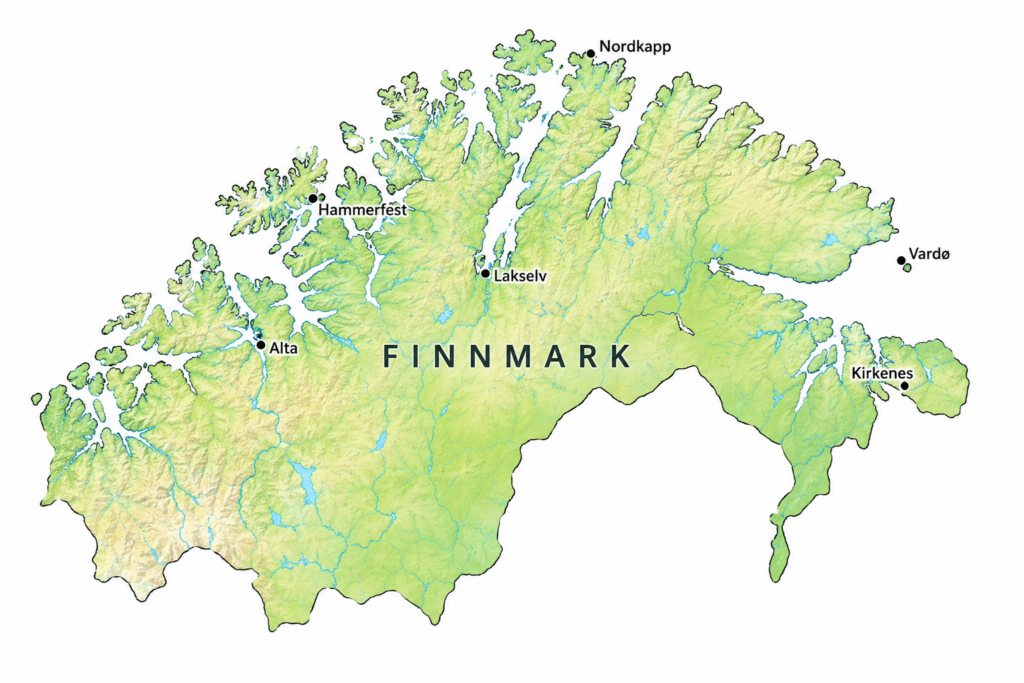
Back in 2012, my mate Thomas returned from a trip to Finnmark. He told stories of long hikes with heavy backpacks, pristine wilderness and wild fish. From that moment on, I dreamed of visiting these places myself one day. Time passed, however, and I was too busy with work and traveling – often living in other countries – to make it happen. Scandinavia remained out of reach until 2025, when we finally booked our tickets and I started tying flies. Then, just ten days before departure, I had to undergo emergency appendix surgery. I was devastated, but quickly realised that it was probably a lot better to have it happen at home than in the middle of nowhere. Finally, in september 2026, Thomas and I made the trip happen, joined by our friend Martin. The journey was long and rather uneventful, despite the lengthy airport layovers. After a quick shopping stop, a combination of car and boat transport, we eventually found ourselves at the trailhead in the afternoon, shouldering 25-kilogram backpacks packed with everything we would need for eight days of hiking, camping and fishing.
By Martin Dvořák – www.instagram.com/mdx_flyfishing/
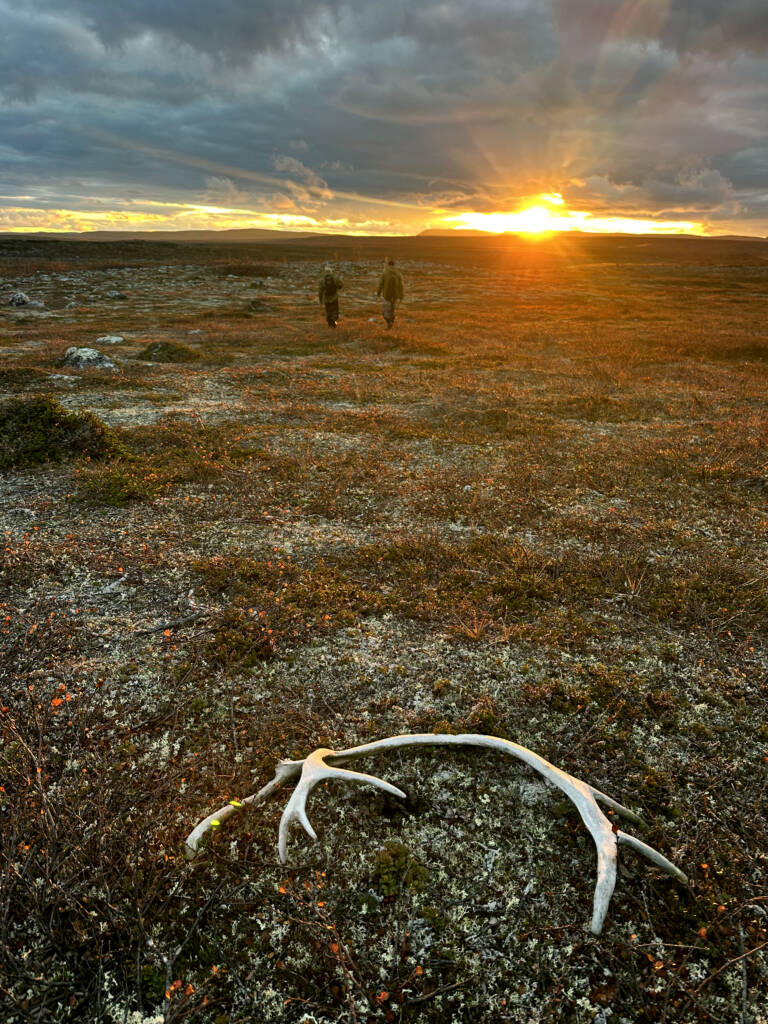
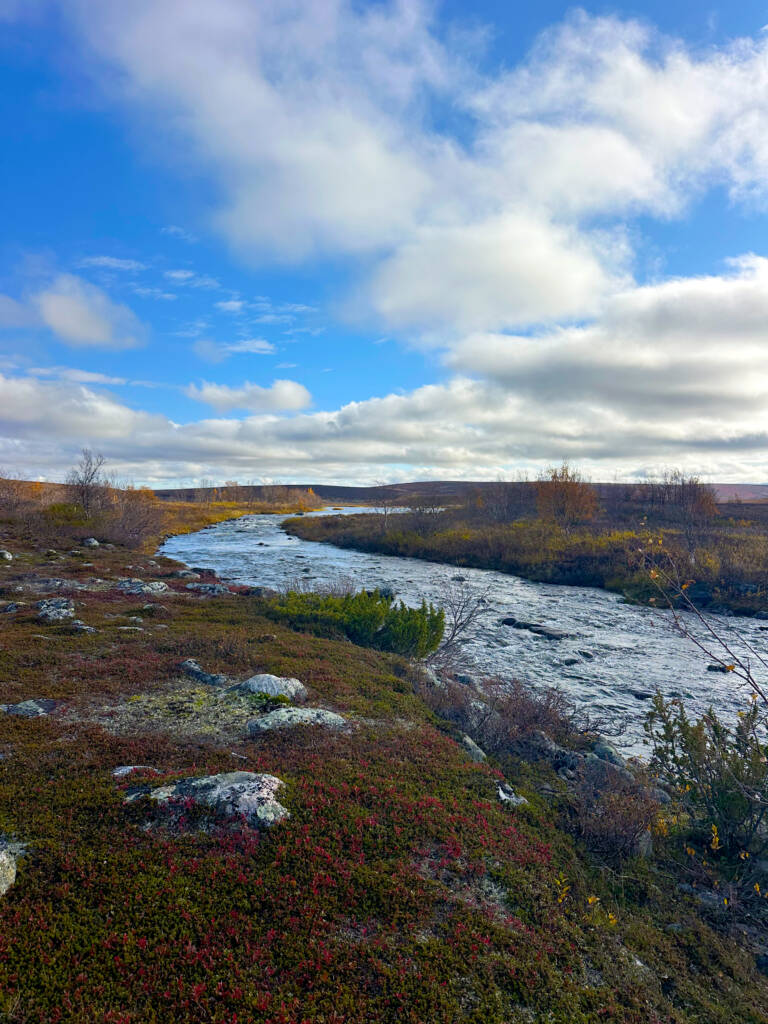
We covered the first 20 kilometres of the trail that afternoon and the following morning, eventually reaching grayling country. After pitching camp, we set out to explore the network of small lakes and channels. Surprisingly, they seemed completely empty. It took us a few hours of exploring before we finally located the fish in a large lake. Autumn was probably still a couple of weeks away, and the grayling had already left the shallows and moved back into the deeper lake, where they would spend the winter.
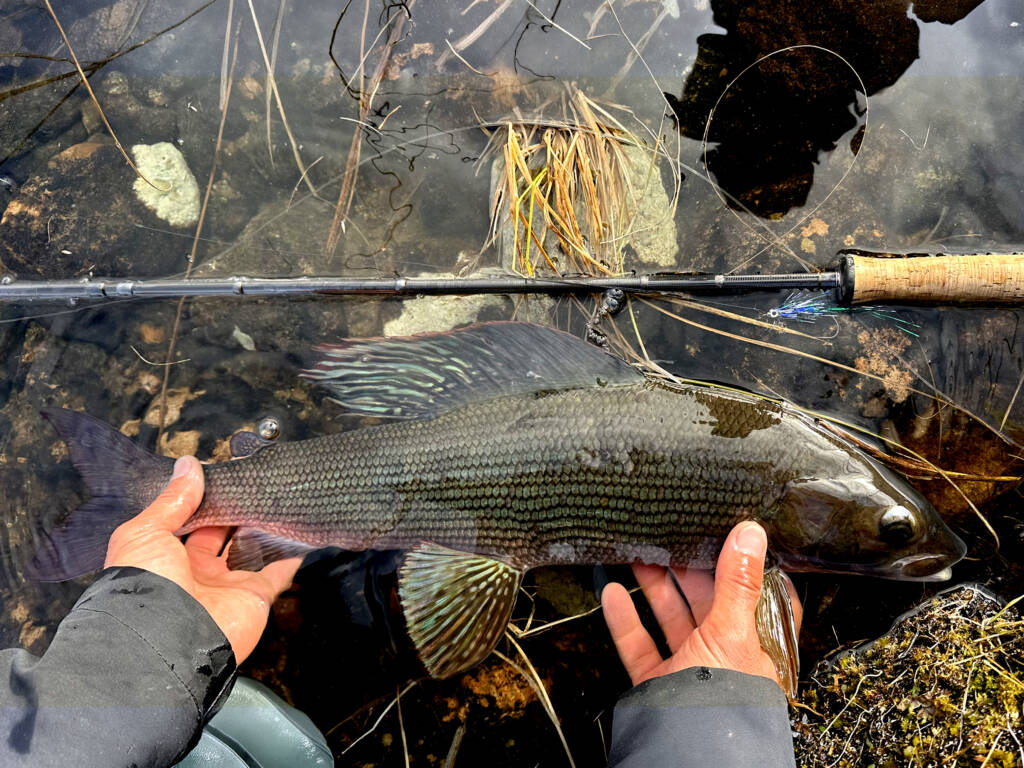
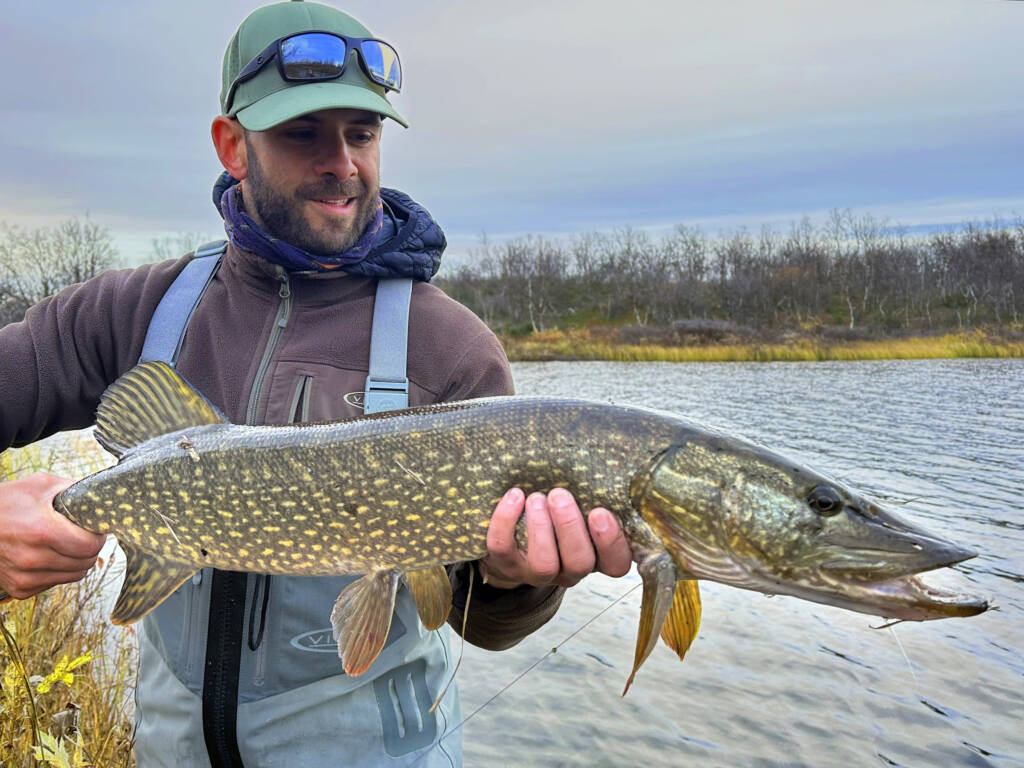
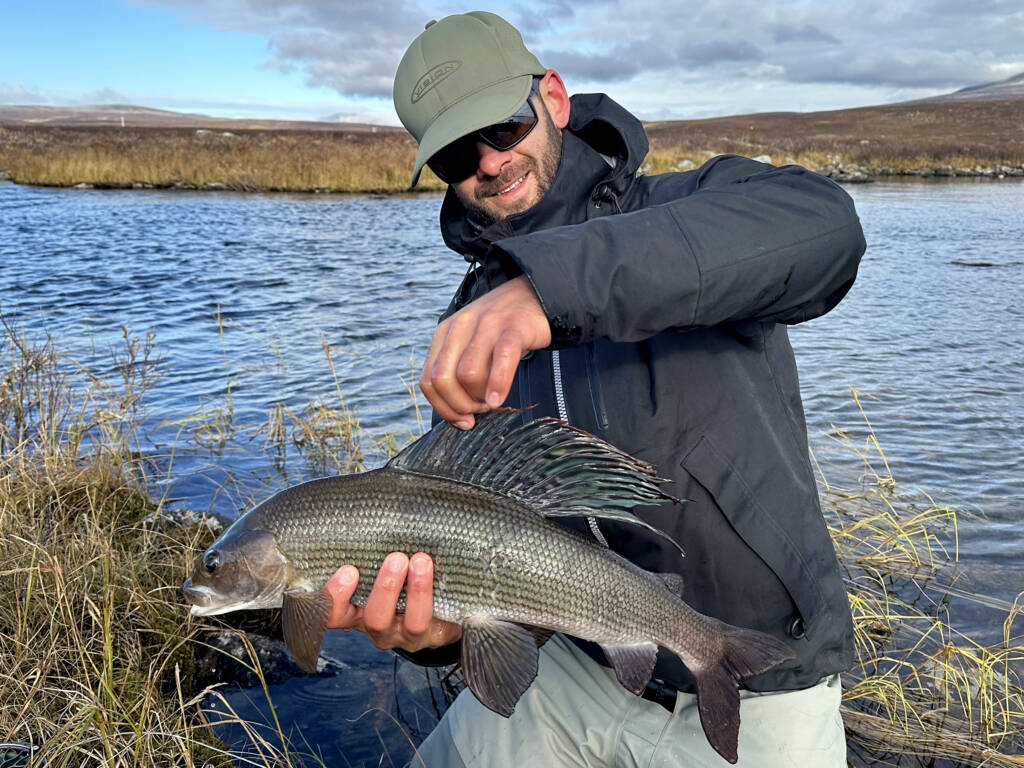
The first fish Thomas caught in the lake were pike, so I decided to switch to a streamer and titanium trace. The first and second fish I landed were both grayling over 50 cm. I hadn’t really expected grayling to take such a large fly! Back home in the Czech Republic, I’m used to fishing small patterns in sizes 16–20 on 6–10x tippets. What a difference!
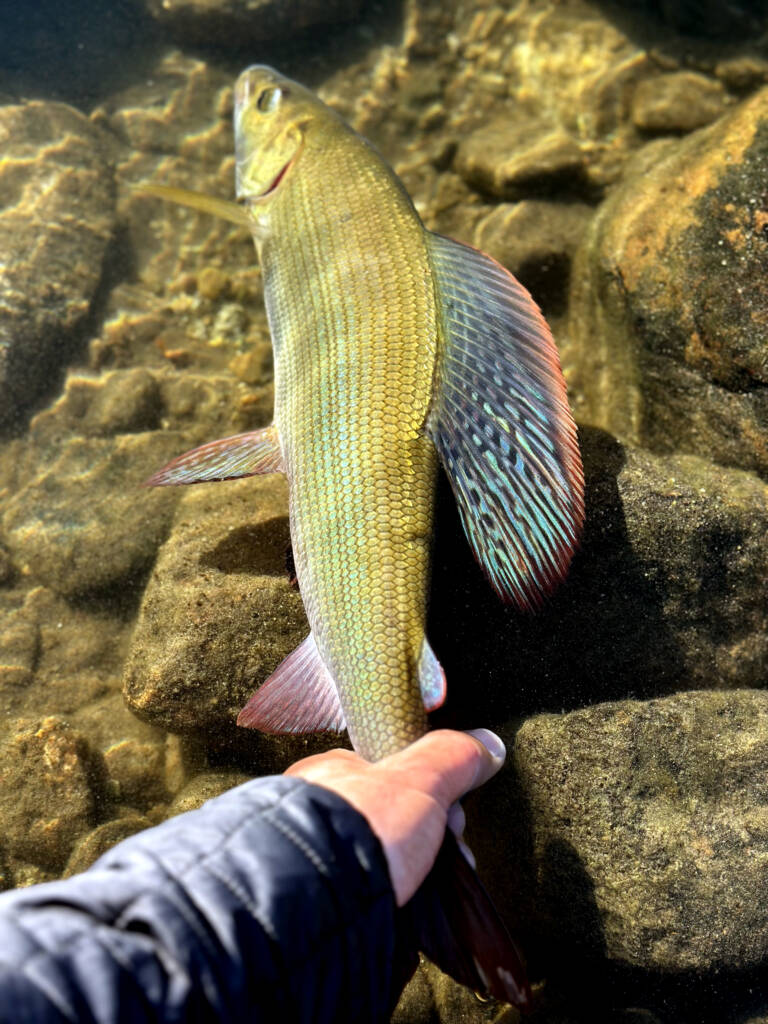
We had a lot of fun catching both pike and grayling from the same lake. Most of the grayling were 50 cm or longer – absolute giants by our standards. I also managed to catch a new personal best: a hefty 56 cm male that took my pike streamer and put up a spirited fight. With virtually no insect activity, streamers were the only flies we needed.
On the morning of day three, we packed up camp and moved approximately eight kilometres to another location surrounded by five lakes. This time, our target species were arctic char and brown trout.
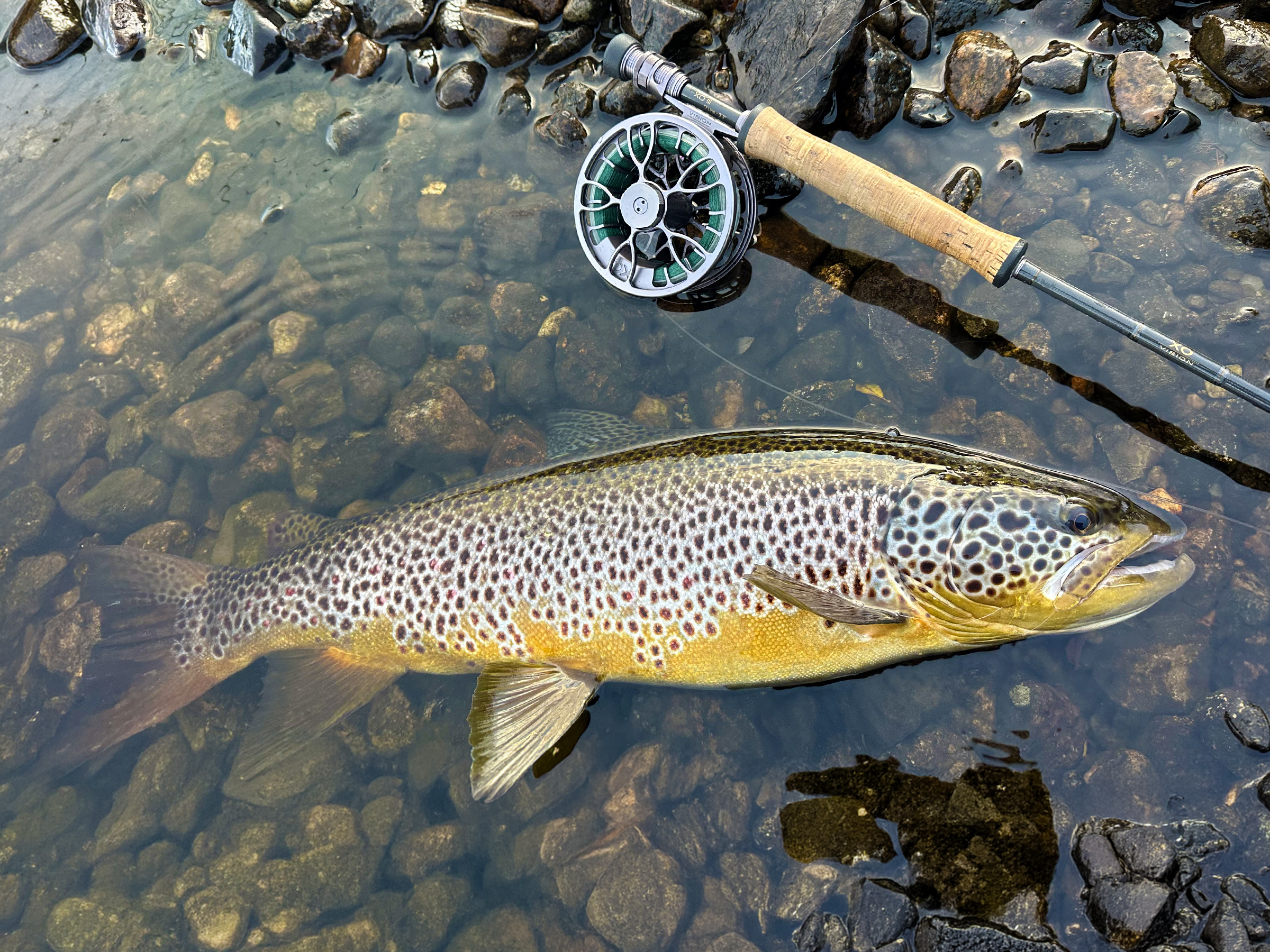
We soon realised that the fishing was going to be challenging. Judging by the remains we found along the banks, these lakes had previously been fished with nets. Over the next five days, the three of us managed just one arctic char. Thomas caught it on a spinning lure, fishing from a considerable distance. We did, however, manage to land some nice brown trout, including a 60-plus-centimetre male that was my personal highlight of the trip. We also caught far more pike than expected, including several fish approaching the one-metre mark – great fun on a 7-weight fly rod.
We didn’t encounter a single other angler, only a handful of hunters. Long hikes with heavy backpacks, nights in a tent, cooking over an open fire, no showers and plenty of fishing. For some, this might sound like a considerable step outside their comfort zone, but I genuinely loved every minute of it.
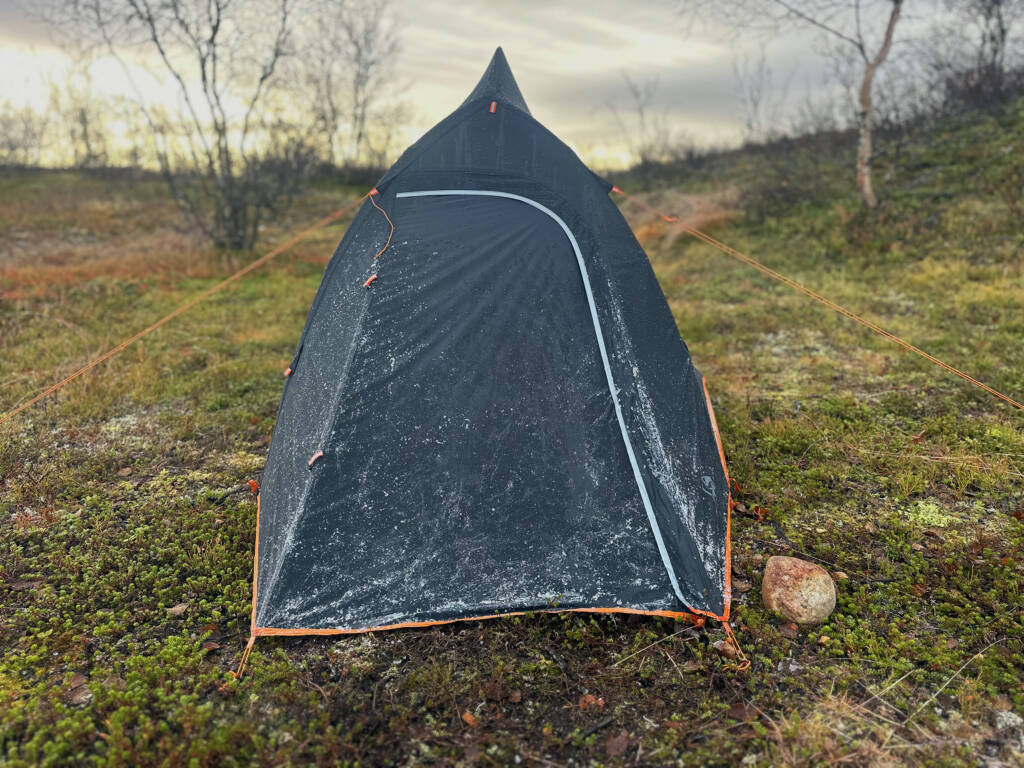
The best part, perhaps, was having no mobile reception or Internet access. No messages, social media or emails. It was a wonderful break from my busy working life and the constant noise of everyday society. We went to bed around nine in the evening because it was dark and there wasn’t much else to do. After eight days in the wilderness, the 30-kilometre hike back to civilisation was rewarded with a hot shower and a cold beer. It was quite possibly the best shower and beer I’ve ever had. I hope to return soon.
Safety on the trip
Having had appendix surgery shortly before the trip made me think more seriously about safety on remote adventures. I’m no longer 25 and immortal. God knows how many stupid things I got away with when i was younger!
I decided to invest in a Garmin Inreach satellite communicator. It’s a great piece of equipment for navigation, sending messages and receiving weather forecasts via the iridium satellite network. Paired with my phone, it worked flawlessly and gave me some welcome peace of mind in such remote surroundings.
Fishing gear
I kept things simple and brought just two outfits: a 6-weight with floating and intermediate lines, and a 7-weight with intermediate and sink 5 lines.
These fish weren’t particularly leader-shy, so we mostly used fluorocarbon tippets between 0.20 and 0.23 mm. Food sources are limited in autumn, and I wouldn’t say fly patterns made much difference. The most important thing was simply getting the fly close to the fish.
We mainly used Woolly Buggers and Zonkers in natural colours such as black, brown and olive, although we also caught fish on orange patterns.
Pack it light!
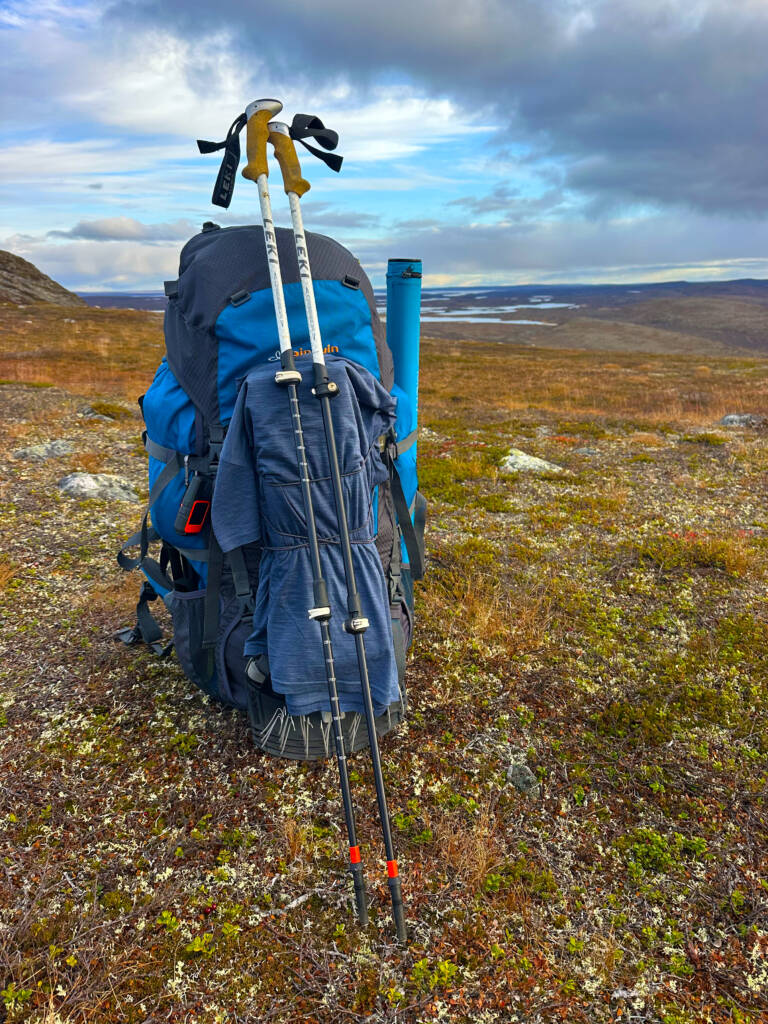
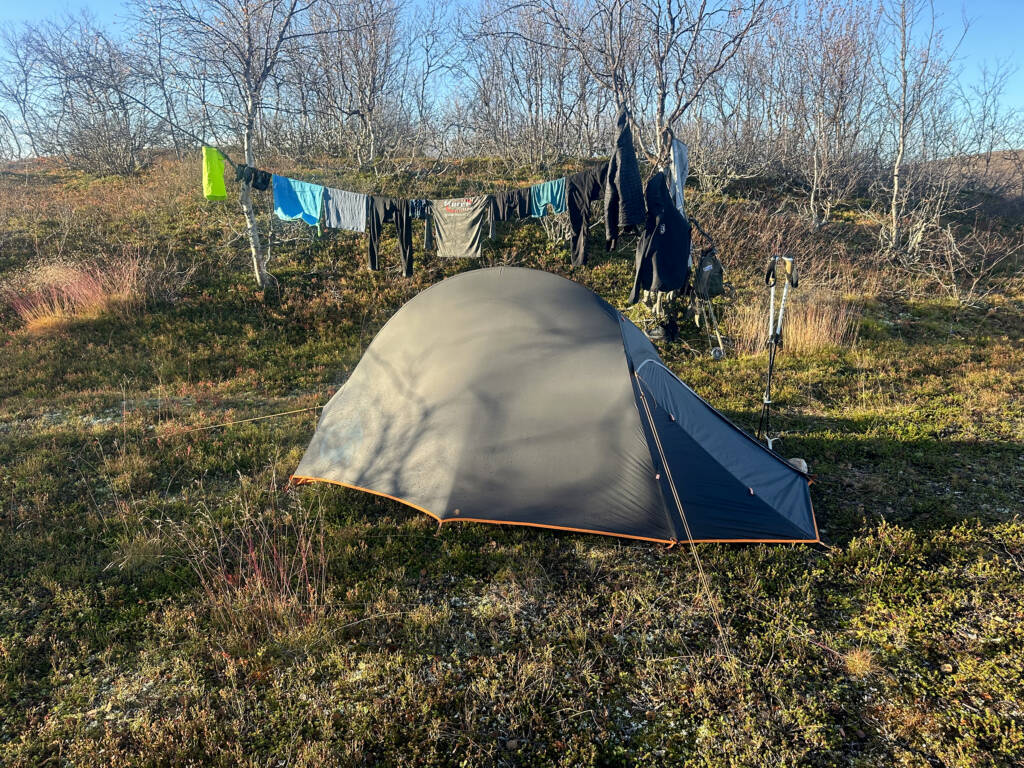
When you have to carry everything yourself, choosing your equipment wisely is essential. You quickly realise that you don’t need nearly as much stuff as you might think. Clothes can be washed, so there’s no need to pack a fresh pair of underwear for every single day. Buy the lightest equipment you can afford – every 100 grams saved makes a difference when you’re carrying a heavy backpack over long distances.
I’d particularly recommend investing in a good sleeping bag, sleeping mat and rain jacket. Walking poles were probably the most important pieces of equipment on the entire trip. Honestly, I can’t imagine having done all that walking without them.
And if you’re buying new boots for an adventure like this, make sure you put some serious kilometres on them before setting off. Your feet will thank you for it.
Cooking and eating
Our meals consisted of a combination of homemade dehydrated food and freshly caught fish. We also carried plenty of high-energy snacks, including nuts, chocolate bars and salami.
Cooking directly over an open fire was great fun, but next time I’d probably bring a little more gas. It would save time spent preparing meals and leave more time for what we had actually come for: fishing.